
Duke Student Government is the official representative body of undergraduates, working to enhance student life through advocacy, policy initiatives, and specialized programming. With over 100 students across five committees, a Presidential cabinet, research unit, judiciary, and an executive board, we collaborate with administrators and student organizations to meaningfully enhance the undergraduate experience by addressing student concerns and crafting impactful campus policies.
DSG allocates funding for all student organizations, approves major campus event budgets, and advocates for a better Duke experience. We are proud of our iconic campus programs — from Blue Devil Buddies to free RDU transportation — and we look forward to continuing our hands-on, innovative policy approach to concretely address student needs.
Our weekly senate meetings are open to all members of the Duke student body! Join us on Wednesdays from 7:30pm - 8:30pm in Schiciano Auditorium.
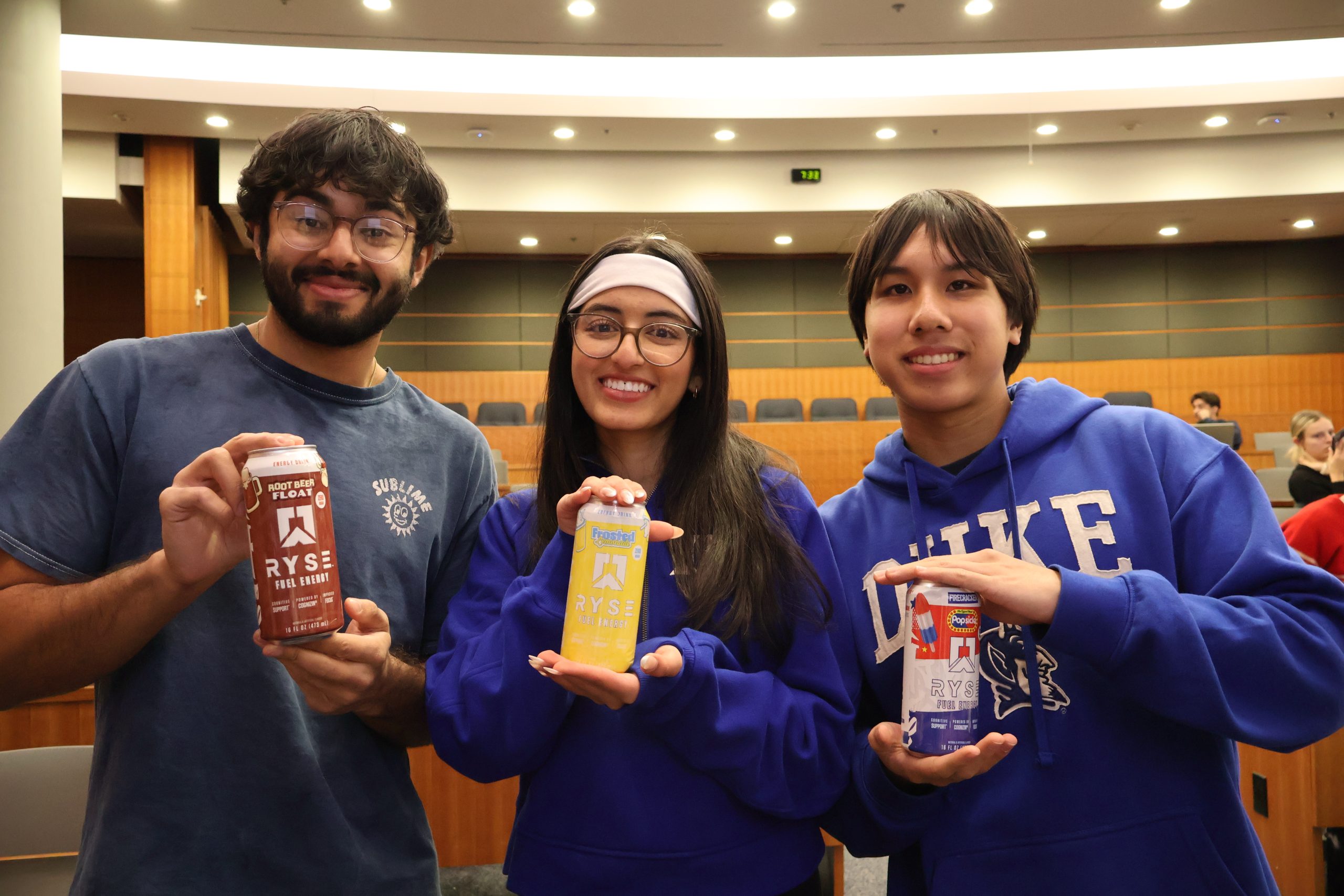
The Senate met briefly this Wednesday, featuring their newest brand deal with Ryse Energy!
Senators passed funding legislation for the Jewish Student Union, Devils en Pointe, and Something Borrowed Something Blue. The Senate also approved funding for chartered buses to take students to RDU at the beginning of Thanksgiving break. Sign up by navigating to the 'Airport Transportation' page under the 'For Students' tab.
DSG and the Senate wish everyone a wonderful Thanksgiving break!
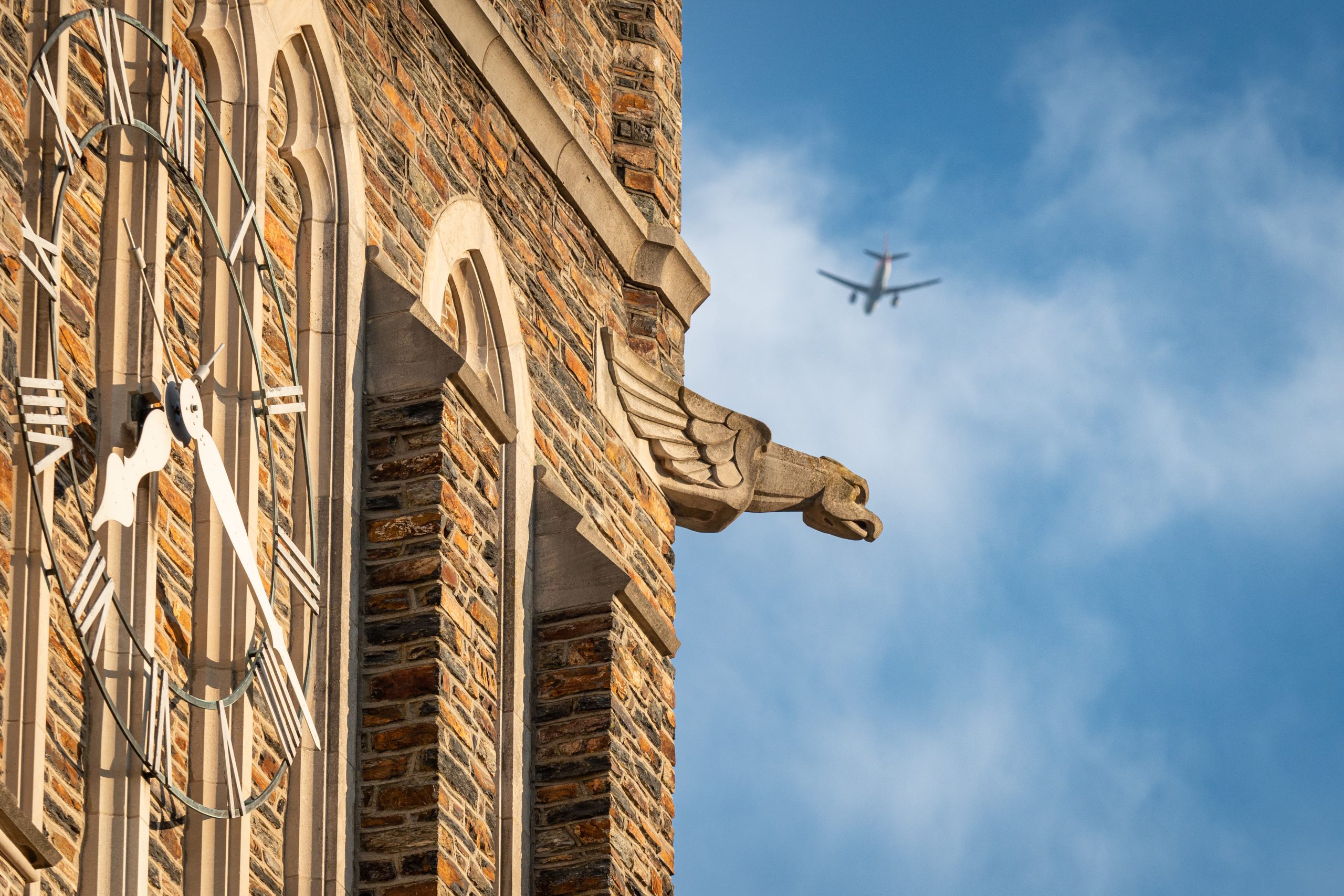
Registration has opened for free transportation to Raleigh-Durham Airport this Thanksgiving break. Shuttles will be operated on Tuesday, November 24 and Wednesday, November 25. Be sure to register before spots fill up!
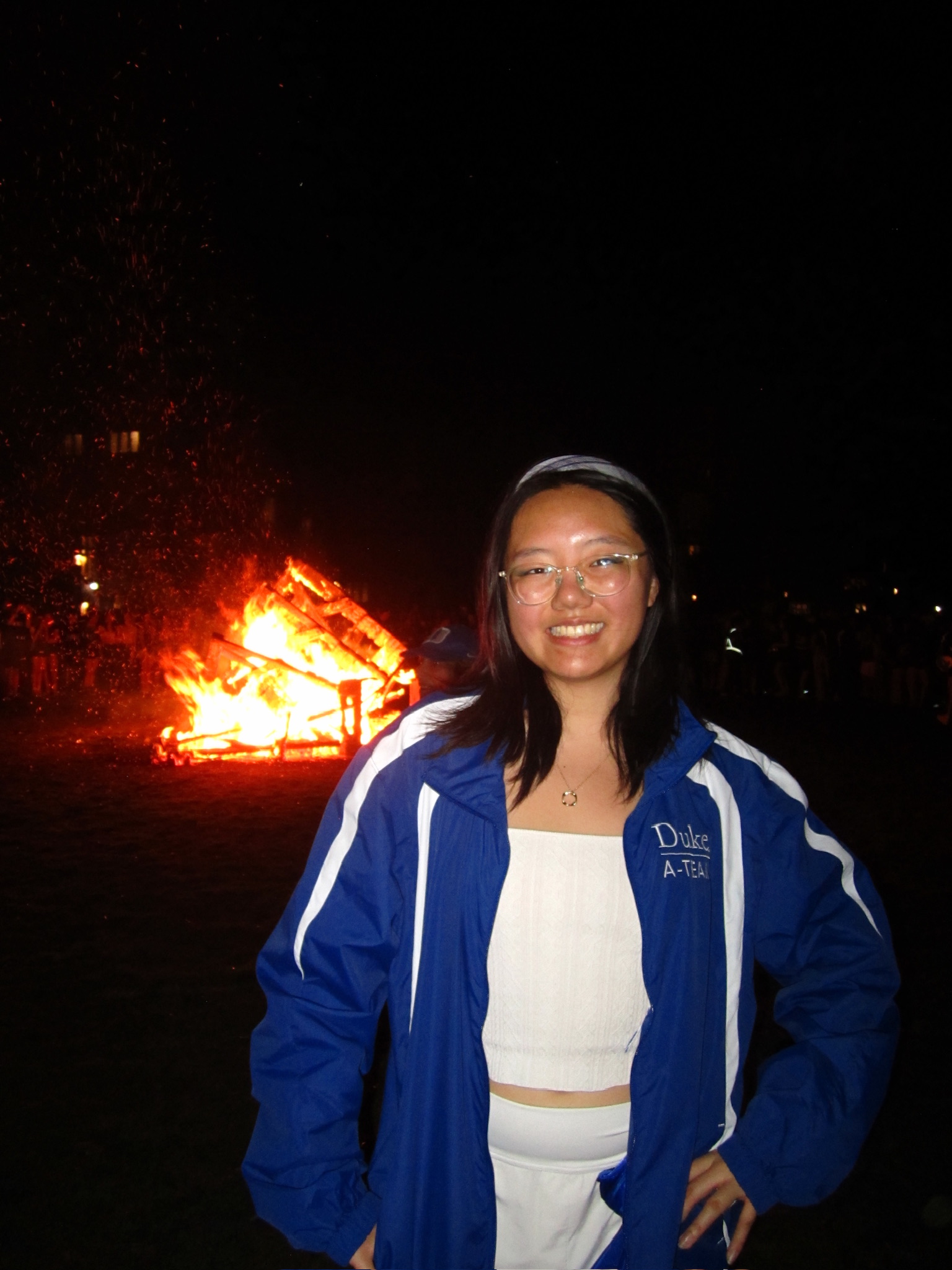
Angela Chen
President, Session 33
I am grateful and honored to serve as your Duke Student Government (DSG) President as I enter my fourth year in DSG and my final year on campus. My administration is guided by the CARE principle: connection among campus communities, administrators, and DSG; affordability, by addressing Duke’s hidden costs; reliability in campus services and DSG operations; and engagement with the wider Durham community. In the face of a challenging political environment for higher education and rising affordability concerns, DSG is centering Duke’s defining value of care in everything we do.
An effective DSG is one that makes the Duke experience accessible to as many students as possible. This year, we are tackling the “hidden costs” of college by expanding the Devil’s Dresser professional clothing closet, institutionalizing free airport transportation during breaks, and spearheading course-material cost transparency. We are also working with fellow student organizations to implement student body-wide referendums which give students a direct voice on issues such as institutional responses to national issues and the University’s endowment.
Civic engagement is a top priority as we mark America’s 250th anniversary and approach the midterm elections. Through the We the People initiative, we are partnering with the University and the City of Durham to expand Democracy Day, bringing students and various campus stakeholders together for voter education and civic participation. We are also building partnerships with Durham businesses and coordinating intercollegiate civic education efforts with neighboring institutions across the Research Triangle, supported by relationships with student body presidents across the ACC, North Carolina’s independent colleges, and the Ivy+ network.
Authentic representation means reaching communities that have not always felt seen or heard by DSG. To that end, we have introduced two new Presidential Cabinet positions, the Director of Multicultural Affairs and the Director of Intercollegiate Partnerships, and we are celebrating the “unofficial” traditions, spaces, and student creations that make Duke feel like home for all.
Internally, we are rebuilding trust with the student body and strengthening how DSG serves it. This summer, task forces began re-examining our governing documents, working processes, and internal culture. We also expanded our communications, programming, finance, and research teams with 20 new student staff members. Led by an energetic and untraditionally young Executive Board, it is my hope that Session 33 will be led with connection, creativity, and a lasting culture of care for Duke and Dur(home).
Keep your CHENs up!
Warmly,

Recognized undergraduate student organizations can request money from the Student Organization Finance Committee (SOFC), the independent branch of DSG that distributes the undergraduate student activity fee. SOFC manages a student fund of nearly $1 million and supports more than 350 student organizations.
There are three main sources: the Programming Fund covers events during the year, the Operational and Capital Fund covers the basic operating and upfront costs your group needs to function, and the Annual Budget covers larger expenses planned for the next school year. Because the money comes from every undergraduate, SOFC-funded events must be open, accessible, and free to all Duke undergraduates. Groups with selective membership can apply only to the Programming Fund.
To request funding, complete SOFC training at least 24 hours before you submit, then submit a budget request in DukeGroups with proof of cost for each line item. SOFC reviews requests at weekly hearings, and larger allocations go to the DSG Senate for a final vote. Please email sofc@duke.edu with any questions.
New student organizations are reviewed and recognized by Duke’s Student Involvement and Leadership (SIL) office. Before you apply, search DukeGroups to make sure a similar group doesn’t already exist. If one does, reach out to them first.
To apply, you’ll need at least 10 currently enrolled students (at least 51% undergraduates), including a President and a Treasurer; a Duke faculty or staff advisor; and a constitution that includes Duke’s required non-discrimination and good-standing clauses.
Applications are submitted through DukeGroups during SIL’s application window, so check SIL’s page for the next opening. SIL reviews applications weekly once every officer, member, and advisor has confirmed their role. Approved groups complete leadership training, and once recognized, they can apply to SOFC for funding.
Any Duke undergraduate can run for DSG. General Elections are held each spring for Senators, Vice Presidents, the Executive Vice President, and the President, and are run by DSG’s Attorney General and Board of Elections. To get on the ballot, candidates collect electronic signatures from fellow undergraduates.
First-year students elect their own senators each fall, and some Senate seats are filled at-large through a selection committee. Other roles, like Senate Staff, the Presidential Cabinet, and the Operations Team, are filled by application.
Election dates and open applications are announced on our Instagram. Questions? Email dsg@duke.edu.
The DSG Senate meets every Wednesday from 7:30 to 8:30 pm in Schiciano Auditorium. Meetings are open to the whole Duke community, and no sign-up is needed. Occasionally the Senate moves into a closed session to discuss finances or other sensitive topics.
At each meeting, senators vote on legislation and SOFC funding requests, hear updates from the five Senate committees, and hear presentations from campus partners. Check the Senate Agenda and the latest Senate Update on this page to see what’s coming up.
Reach the committee that covers your issue through the contact form at the bottom of its page: Academic Affairs, Campus Life, Durham & Community Affairs, Engagement & Advocacy, or Services & Sustainability.
Not sure where it fits? Email dsg@duke.edu, or come to a Wednesday Senate meeting and talk with senators in person. Many DSG projects like free airport shuttles and expanded library hours began as student ideas!
To report an incident to the university, use Duke’s Official Reporting Form. If you believe a DSG decision went against DSG’s governing documents, you can file a petition with the DSG Judiciary.
Every Duke undergraduate pays a student activity fee. Each year, the fee is adjusted for inflation and divided among Duke University Union (DUU), Duke Student Government, and the class councils.
DSG’s share is distributed by the Student Organization Finance Committee (SOFC), which manages a student fund of nearly $1 million. That money pays for student organizations’ annual budgets, the Programming Fund for events throughout the year, and the Operational and Capital Fund for groups’ basic operating costs. Because every undergraduate pays the fee, SOFC-funded events must be open and free to all undergraduates.

holder